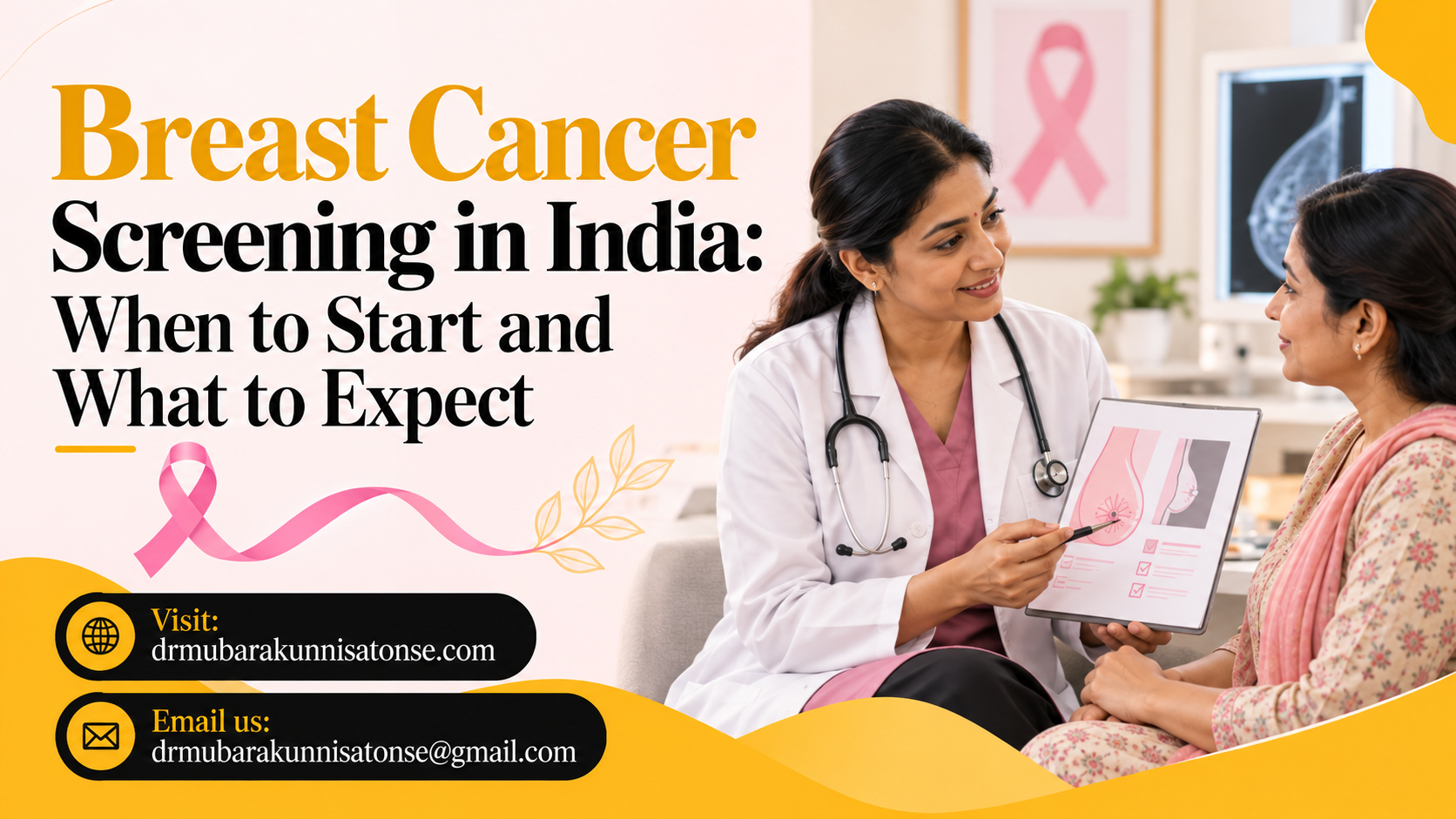
Breast cancer is one of the most common cancers affecting women worldwide. Early detection significantly increases the chances of successful treatment, yet many women miss the warning signs. Understanding the early signs of breast cancer and taking proactive steps toward your breast health can save lives.
Why Early Detection Matters
Breast cancer caught in its early stages is more treatable and often less aggressive. Early diagnosis allows for more options in treatment and a higher survival rate. Regular screening, awareness of your own body, and knowledge of breast cancer symptoms can help identify changes before the disease progresses.
Common Signs and Symptoms of Breast Cancer
The symptoms of breast cancer may vary from person to person. However, here are some of the most common warning signs to look out for:
-
Lump in the breast or underarm: Often painless, this is one of the first noticeable signs.
-
Change in breast size or shape: Swelling or shrinking in one breast could indicate a problem.
-
Skin dimpling or puckering: Skin that looks like an orange peel may signal underlying changes.
-
Nipple discharge: Any fluid other than breast milk, especially if it’s bloody, should be checked.
-
Inverted nipple: A nipple that suddenly turns inward can be a sign of concern.
-
Redness or flaky skin: Around the nipple or breast area, it may resemble an infection but could signal cancer.
Less Common But Serious Symptoms
In some cases, breast cancer may present with unusual symptoms such as:
-
Pain in a specific area that doesn’t go away
-
Swelling around the collarbone or underarm
-
Sudden changes in breast texture
These signs may also be linked to other non-cancerous conditions, but it’s important not to ignore them. When in doubt, consult a healthcare provider.
When to See a Doctor
If you notice any of the symptoms mentioned above, don’t delay seeking medical advice. Early detection begins with breast self-awareness. Perform monthly self-examinations and schedule regular mammograms as recommended by your doctor. Your response time can impact your treatment options and outcome.
Taking Charge of Your Breast Health
Empower yourself with knowledge and regular care. Here are a few tips:
-
Do monthly breast self-exams
-
Attend scheduled mammogram screenings
-
Maintain a healthy lifestyle
-
Discuss any concerns with your doctor immediately
Remember, being informed is the first step to prevention and protection.
Breast cancer doesn’t always show symptoms in the early stages, but when it does, knowing what to look for can make all the difference. Pay attention to your body, prioritize your breast health, and encourage others to do the same. Awareness truly saves lives.