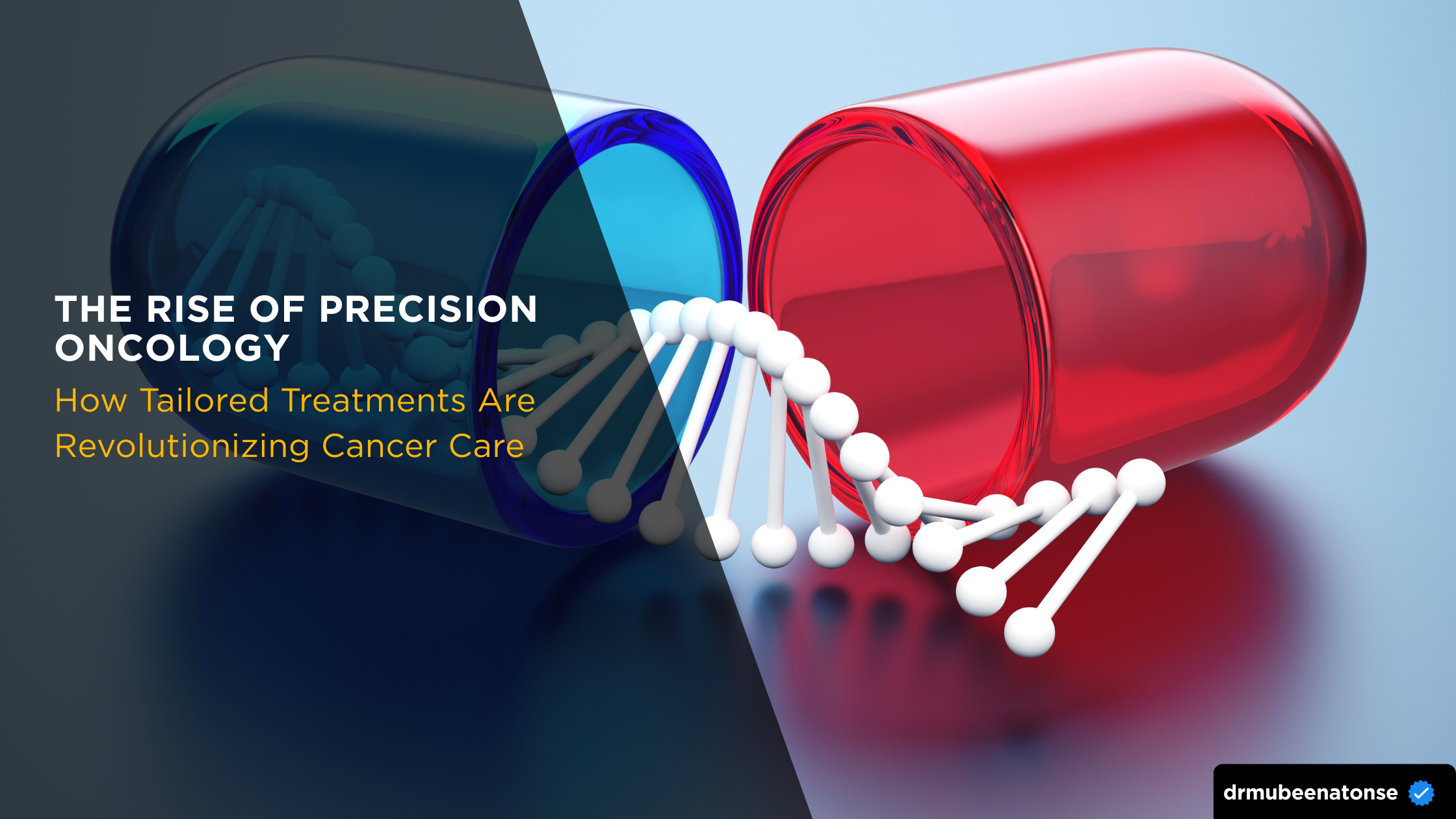
Cancer care is no longer a one-size-fits-all approach. Thanks to precision oncology, a groundbreaking advancement in medical science, treatments are now being tailored to the unique genetic makeup of each patient. This personalized method is transforming how we diagnose, treat, and manage cancer—bringing hope for better outcomes and fewer side effects.
What Is Precision Oncology?
Precision oncology refers to a type of cancer treatment that uses information about a person’s genes, proteins, and other factors to diagnose and treat cancer more effectively. Unlike traditional therapies that treat all cancers the same way, personalized cancer treatments target specific mutations and molecular changes within the tumor.
This revolutionary approach uses tools like genomic sequencing, biomarker testing, and molecular profiling to understand the tumor’s behavior. By identifying these unique characteristics, oncologists can prescribe therapies that are most likely to work—minimizing trial and error.
How Tailored Cancer Treatments Work
The key to tailored cancer treatment lies in understanding the genetic mutations that drive tumor growth. For example, in lung cancer, detecting EGFR mutations or ALK rearrangements helps oncologists prescribe targeted drugs like gefitinib or crizotinib. Similarly, in breast cancer, identifying HER2-positive tumors leads to therapies like trastuzumab.
In some cases, immunotherapy—another pillar of precision oncology—can be used to stimulate the immune system to attack cancer cells. These therapies are often chosen based on PD-L1 expression or tumor mutational burden.
Benefits of Precision Medicine in Oncology
-
Improved Outcomes: Precision therapies often result in higher response rates and longer survival times.
-
Fewer Side Effects: By targeting cancer cells specifically, these treatments reduce harm to healthy tissues.
-
Early Detection & Prevention: Genetic testing can identify individuals at higher risk, enabling early interventions.
-
Efficient Drug Use: Avoids unnecessary treatments, reducing costs and emotional strain for patients.
With growing research and access to genetic testing in cancer care, the future looks promising for patients across various cancer types including lung, breast, colorectal, and even rare cancers.
Challenges and the Road Ahead
While precision medicine in cancer is a leap forward, it comes with challenges. These include high costs of genetic testing, limited access in rural or low-resource settings, and the need for more clinical trials in oncology.
Moreover, not all cancers have identifiable mutations yet, and even when they do, matching them to effective drugs remains a hurdle. However, advancements in AI in cancer diagnosis, data sharing, and collaborative research are steadily overcoming these barriers.
The Future of Cancer Treatment is Personalized
The shift toward individualized cancer care marks a major turning point in oncology. With continued progress in molecular diagnostics, targeted therapy, and cancer genomics, precision oncology will soon become the standard of care rather than the exception.
For patients, this means a future where cancer treatments are not just about survival—but about living well, longer, and stronger.