Breakthroughs in Pancreatic Cancer Vaccines
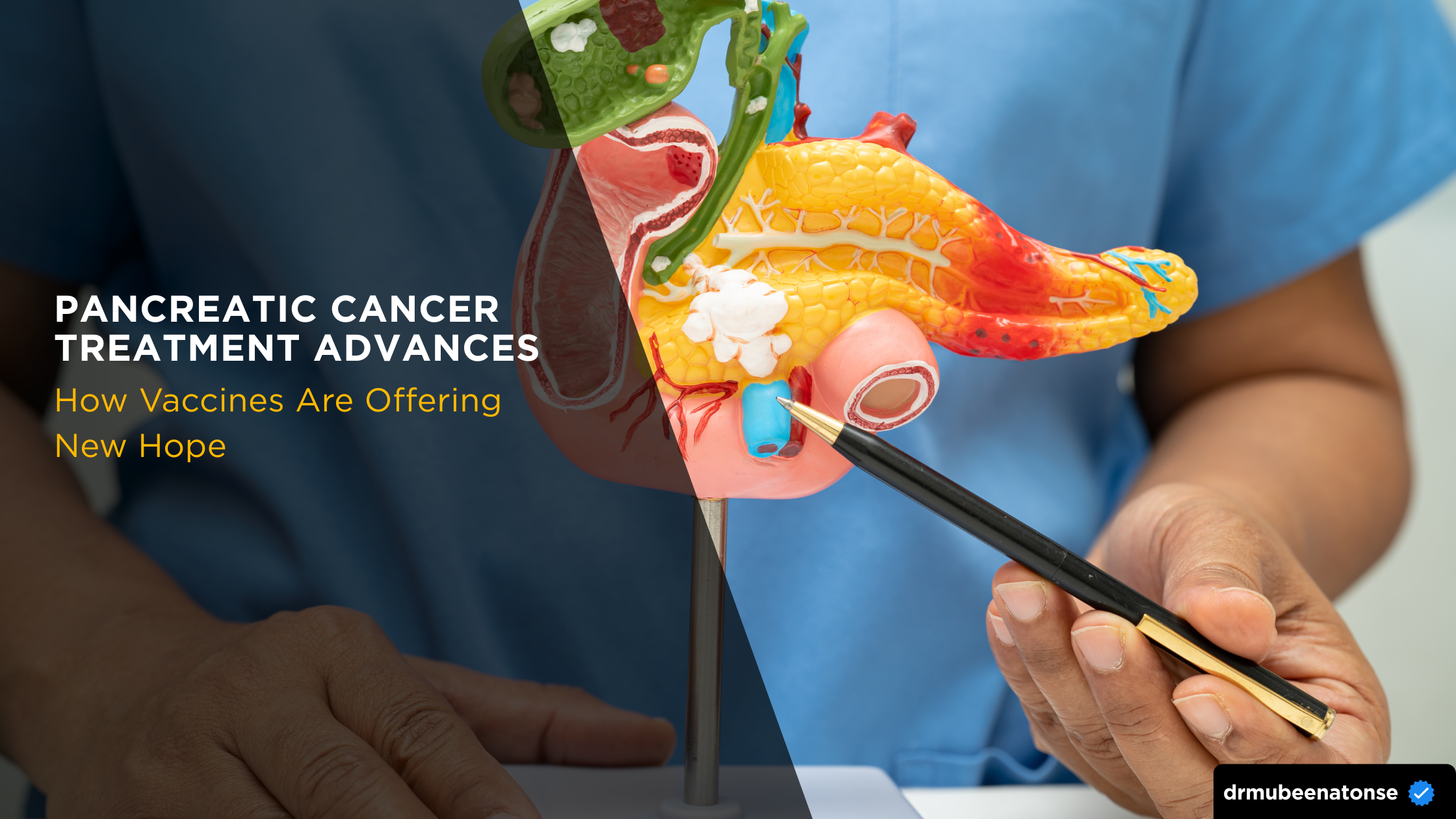
Pancreatic cancer remains one of the most lethal cancers, with a five-year survival rate of just 12–13%. Traditional treatments like surgery, chemotherapy, and radiation have provided only modest survival gains. Now, personalized mRNA vaccines are offering genuine promise, potentially changing the treatment landscape.
What Are Pancreatic Cancer Vaccines?
These vaccines are designed to stimulate the immune system to recognize and destroy cancer cells, particularly after primary treatments like surgery. Most current research focuses on personalized vaccines—such as autogene cevumeran—custom-made for each patient using the unique mutations found in their tumors.
Key Advances and Results
Autogene Cevumeran, developed by Memorial Sloan Kettering, BioNTech, and Genentech, has shown encouraging results in early trials. In a study of 16 patients, the vaccine activated tumor-specific T cells that persisted for up to four years in some cases.
Responders—patients whose immune systems reacted strongly—had a significantly lower risk of recurrence at three years compared to non-responders. Side effects were generally mild, mainly local pain or redness at the injection site. Researchers believe the same approach could be adapted to other cancer types in the future.
How These Vaccines Work
After surgery, a patient’s tumor is genetically analyzed to identify cancer-specific mutations. A personalized mRNA vaccine is then produced to target those mutations. The vaccine is injected and often paired with immunotherapy or chemotherapy.
This process “trains” the immune system to remember the cancer, allowing it to quickly attack if any cancer cells reappear—even years later.
Durability and Longevity
Long-term data reveals that vaccine-induced T cell responses can last nearly four years. Booster doses may extend protection further, with projections suggesting responses could persist for seven years or more in some patients. This durability is especially significant in pancreatic cancer, where relapse is common and often deadly.
Clinical Trial Impact and Accessibility
Although still in early phases, clinical trial results are exciting the oncology community. Data shows both robust immune activation and early signs of improved recurrence-free survival—offering hope in a cancer type historically resistant to immunotherapy.
More trial sites are opening worldwide, aiming to make these treatments accessible to a broader patient population.
Other Advances in Pancreatic Cancer Treatment
Researchers are exploring immunotherapy combinations—such as pairing vaccines with checkpoint inhibitors—to enhance effectiveness. New delivery systems, including nanoparticle carriers, are improving vaccine precision and immune activation speed. Additionally, Tumor-Treating Fields and targeted therapies are showing survival benefits when used alongside standard chemotherapy.
Why This Is a Paradigm Shift
Pancreatic cancer has long resisted most immunotherapies due to its immunosuppressive tumor environment. The success of personalized RNA vaccines in generating long-lasting, potent immune responses marks a major breakthrough.
As trials expand and long-term results become clearer, mRNA-based personalized vaccines may soon redefine pancreatic cancer care—bringing precision, lasting immunity, and new hope to patients worldwide.