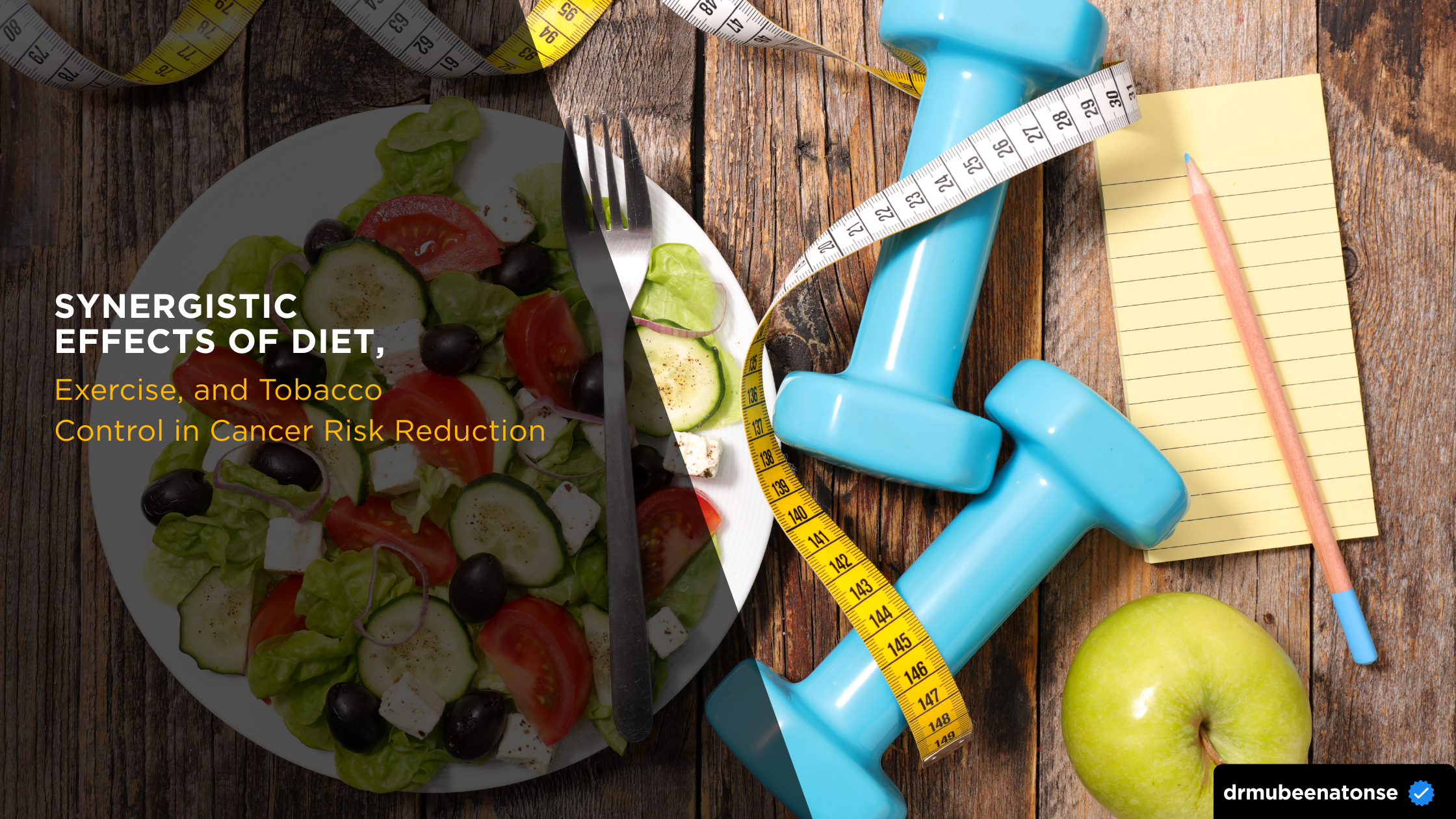
Cancer prevention is not just about one healthy habit—it’s about combining lifestyle changes that work together to lower risk. In 2025, research continues to show that a balanced diet, regular physical activity, and eliminating tobacco use can have a synergistic effect in reducing cancer risk and improving overall health.
Diet: Nourishing the Body Against Cancer
A nutrient-rich diet can significantly lower the risk of certain cancers, particularly colorectal, stomach, and breast cancers. Diets high in fruits, vegetables, whole grains, lean proteins, and healthy fats provide antioxidants and phytochemicals that help protect cells from damage. Limiting processed meats, sugary foods, and excessive alcohol further reduces carcinogenic exposure.
Exercise: Strengthening Immunity and Hormonal Balance
Regular physical activity—at least 150 minutes of moderate exercise per week—helps maintain a healthy weight, regulates hormones such as estrogen and insulin, and boosts immune function. Studies show that active individuals have a 20–30% lower risk of cancers like breast, colon, and endometrial cancer. Exercise also supports mental health, which plays an indirect role in cancer resilience.
Tobacco Control: Eliminating the Most Preventable Risk
Tobacco remains the leading cause of preventable cancer deaths, linked to lung, oral, throat, bladder, and multiple other cancers. Quitting smoking at any age dramatically reduces risk—within 10 years, the risk of lung cancer can drop by 50%. Public health measures, nicotine replacement therapies, and community support programs are crucial in helping individuals quit successfully.
The Power of Synergy
When diet, exercise, and tobacco control are combined, the benefits multiply. A healthy diet supports the body’s ability to repair DNA damage, exercise improves immune surveillance, and quitting tobacco removes constant exposure to carcinogens. This triple approach can prevent up to 40% of all cancers, according to global cancer prevention estimates.
Practical Steps for Lasting Change
-
Start small: Add one extra serving of vegetables per day.
-
Move more: Choose walking or cycling for short trips.
-
Seek support: Use quit-smoking apps or join support groups.
-
Track progress: Monitor diet, exercise, and tobacco-free milestones.
Small, consistent changes can lead to long-term cancer prevention benefits and a healthier life overall.
The synergistic effects of healthy eating, regular exercise, and tobacco control are powerful tools in cancer prevention. By integrating all three into daily life, individuals can take charge of their health, significantly lower cancer risk, and improve their overall well-being.