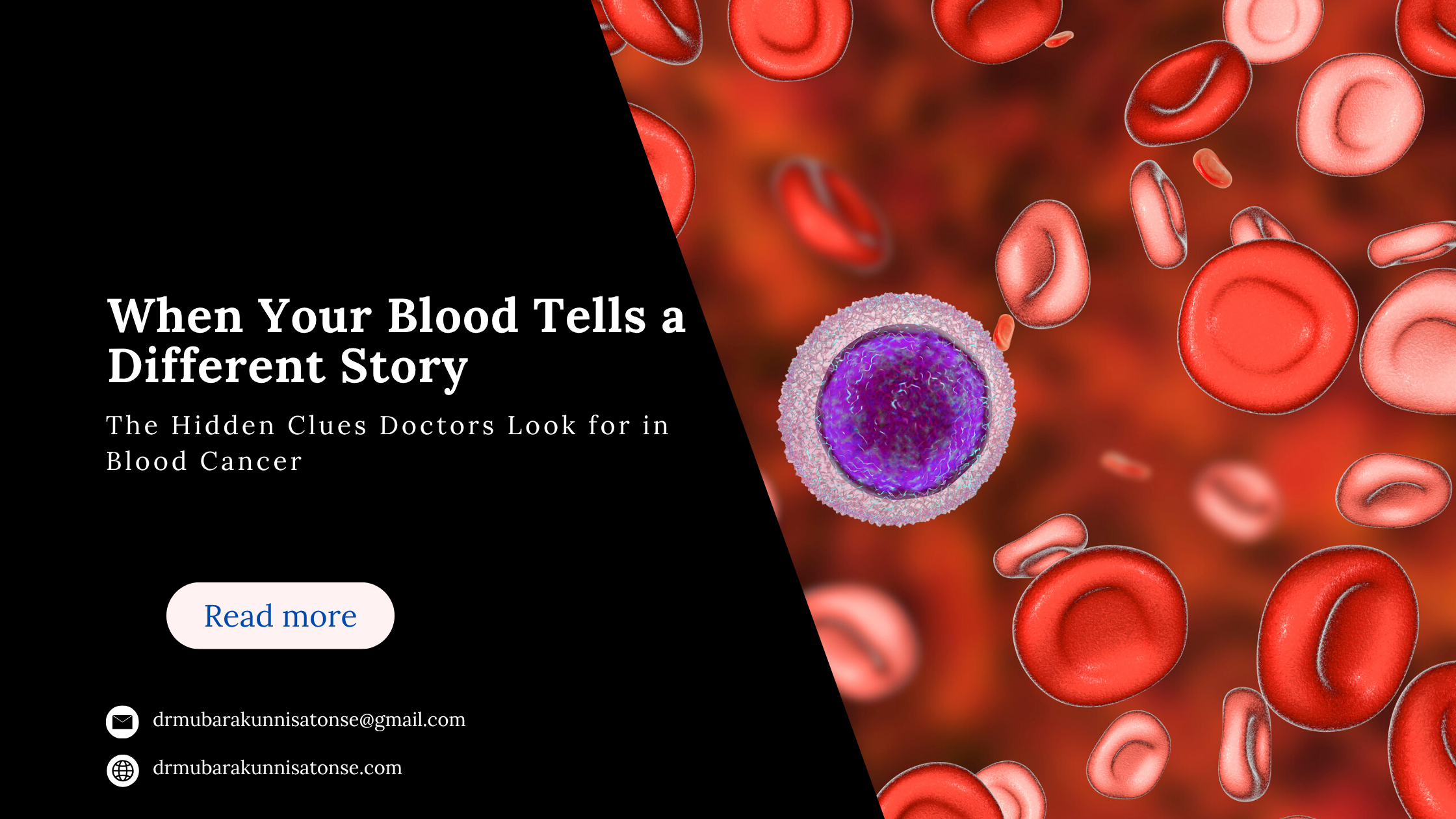
When it comes to blood cancers, Leukemia and Lymphoma are two of the most common yet often confused conditions. While both affect the body’s blood and immune systems, they develop in different ways and require different approaches to treatment. Understanding the differences can help patients and caregivers recognize symptoms early and seek the right medical care.
What Is Leukemia?
Leukemia is a type of cancer that begins in the bone marrow and affects the blood. It causes the body to produce abnormal white blood cells, which interfere with the body’s ability to fight infections. Over time, this can also impact red blood cells and platelets, leading to anemia and bleeding issues.
What Is Lymphoma?
Lymphoma is a cancer of the lymphatic system, a crucial part of the immune system. It develops when lymphocytes (a type of white blood cell) grow uncontrollably and form tumors in the lymph nodes or other parts of the body. The two main types are Hodgkin lymphoma and Non-Hodgkin lymphoma, each with unique characteristics and treatment options.
Symptoms: Leukemia vs. Lymphoma
While both cancers affect white blood cells, their symptoms differ:
-
Leukemia symptoms: fatigue, frequent infections, easy bruising, night sweats, and bone pain.
-
Lymphoma symptoms: swollen lymph nodes (often painless), fever, unexplained weight loss, persistent cough, and itching.
Recognizing these early warning signs is key to timely diagnosis and better outcomes.
Treatment Approaches for Leukemia and Lymphoma
Treatment depends on the type and stage of cancer, but generally includes:
-
Leukemia treatment: chemotherapy, targeted therapy, immunotherapy, and sometimes stem cell transplant.
-
Lymphoma treatment: chemotherapy, radiation therapy, targeted therapy, immunotherapy, and in some cases, stem cell transplant.
Advances in precision medicine are offering more personalized options for both conditions, improving survival rates and quality of life.
Key Takeaways for Patients and Caregivers
Although both Leukemia and Lymphoma are blood cancers, their origins, symptoms, and treatments differ. Leukemia starts in the bone marrow and spreads through the blood, while Lymphoma begins in the lymphatic system and forms tumors. Recognizing symptoms early and consulting a cancer specialist can make a significant difference in treatment success.
Leukemia and Lymphoma may sound similar, but understanding their differences helps patients, families, and caregivers make informed decisions. With advances in cancer research and treatment, there is hope for better outcomes and improved quality of life. If you notice unusual symptoms, don’t wait—consult a healthcare professional for proper diagnosis and timely care.