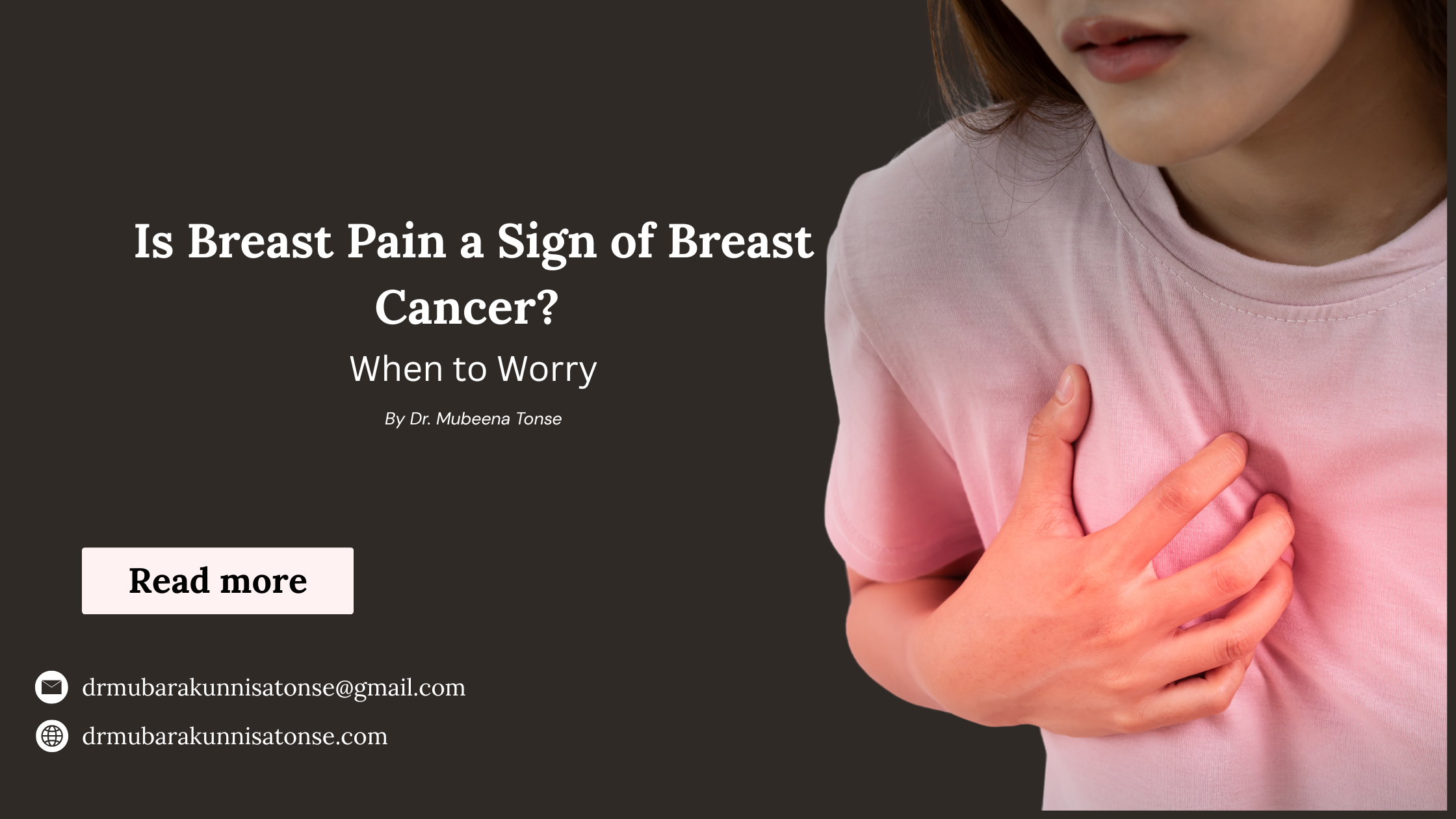
When it comes to breast cancer causes, misinformation spreads faster than facts. From claims that deodorants or tight bras trigger cancer to fears about phones or stress, myths often cloud the truth. Understanding what actually increases your risk helps you make informed, confident choices about your breast health and prevention.
Myth: Wearing a Bra Causes Breast Cancer
One of the most persistent myths is that bras—especially underwired ones—cause cancer by blocking lymphatic flow. But research has proven otherwise. Bras and breast cancer are not connected; your choice of lingerie doesn’t influence cancer risk. Comfort and fit matter for support, but not for cancer prevention.
Myth: Only Women with a Family History Get Breast Cancer
While genetics play a role, most people diagnosed with breast cancer have no family history at all. Factors like age, hormonal changes, lifestyle habits, and environmental exposure contribute more significantly. Even if you have no known family risk, regular screenings and self-exams remain essential for early detection of breast cancer.
Myth: Breast Cancer Always Shows a Lump
Many assume breast cancer always begins with a lump—but that’s not true. Some cases start with skin dimpling, redness, nipple changes, or persistent pain instead. Knowing the warning signs of breast cancer and reporting any unusual changes early greatly improves treatment success.
Myth: Antiperspirants or Deodorants Cause Cancer
You may have heard that chemicals like aluminum in deodorants cause breast cancer, but scientific evidence doesn’t support this. The American Cancer Society and major studies confirm that antiperspirants do not cause breast cancer. What matters most is awareness and timely screening, not product avoidance.
The Facts You Should Focus On
Here’s what really matters:
-
Maintain a healthy weight and active lifestyle.
-
Limit alcohol and quit smoking.
-
Eat a diet rich in fruits, vegetables, and whole grains.
-
Schedule regular mammograms and self-checks.
These steps have been consistently linked to reduced risk and better breast cancer awareness outcomes.