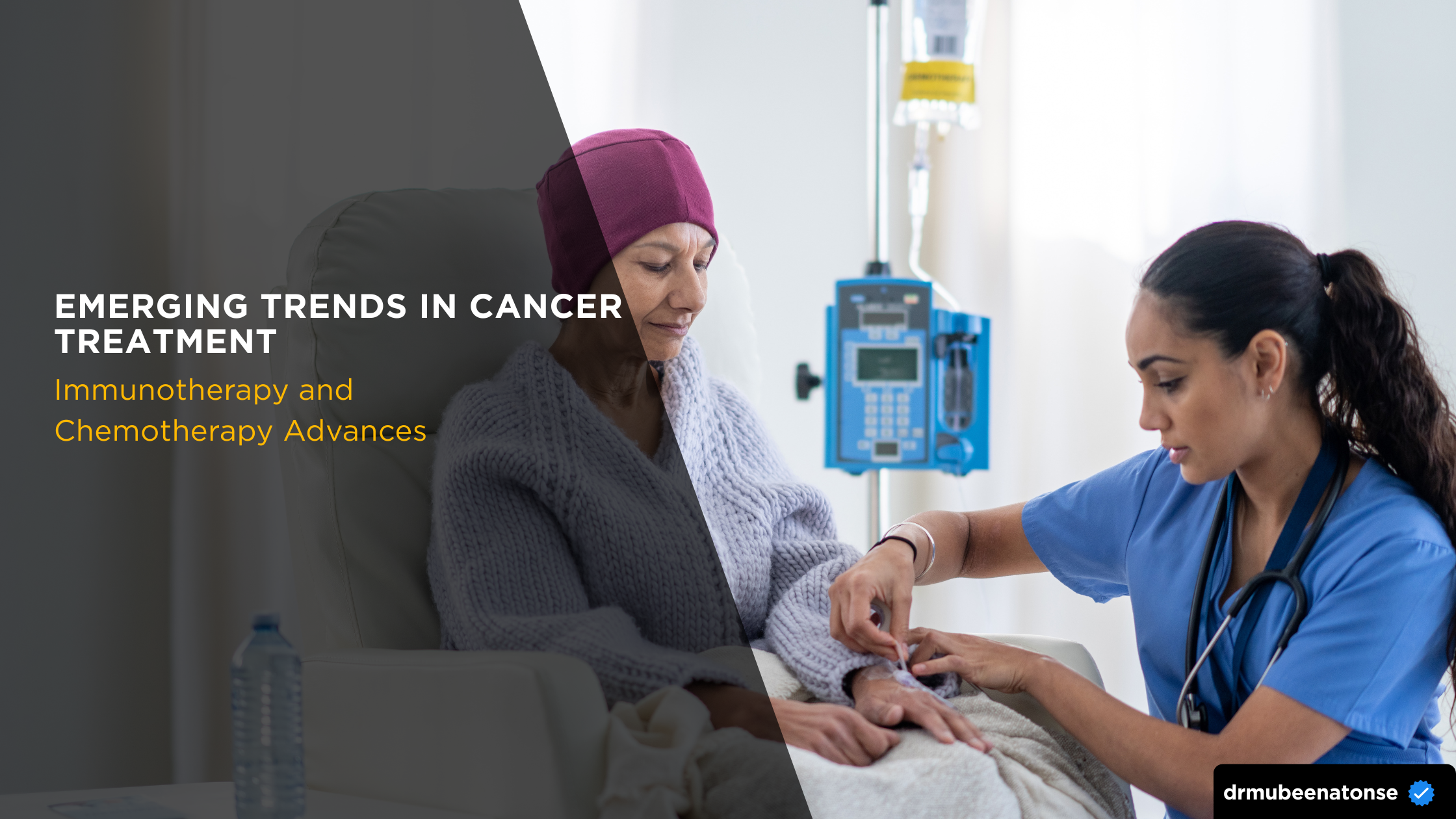
Cancer treatment is evolving rapidly, with immunotherapy and chemotherapy leading the way in shaping the future of oncology. In 2025, advances in these fields are delivering more effective, personalized, and less toxic treatments, transforming how patients experience and respond to cancer care.
Immunotherapy: Harnessing the Body’s Own Defense
Immunotherapy works by activating the patient’s immune system to recognize and destroy cancer cells. New strategies—such as checkpoint inhibitors, cancer vaccines, and T-cell therapies—are achieving unprecedented results in cancers once considered untreatable. Combination immunotherapies are now being tailored to specific cancer types, enhancing tumor response rates while minimizing harm to healthy cells.
CAR-T and Bispecific Antibodies on the Rise
CAR-T cell therapy, where immune cells are genetically modified to target tumors, has expanded beyond blood cancers to certain solid tumors, including lung and gastric cancers. Meanwhile, bispecific antibodies—which bind both cancer cells and immune cells—are proving to be a powerful, off-the-shelf option. These therapies are being optimized to reduce side effects and make treatment more accessible outside specialized centers.
Chemotherapy Reinvented: Precision and Tolerability
While traditional chemotherapy often causes widespread side effects, modern chemo approaches are becoming more targeted and patient-friendly. Antibody-drug conjugates (ADCs) deliver chemotherapy directly to cancer cells, sparing healthy tissues and lowering toxicity. Low-dose, metronomic chemotherapy schedules are also gaining popularity for their gentler, continuous anti-cancer effects.
Combining Immunotherapy and Chemotherapy
A major trend in 2025 is the synergistic combination of immunotherapy and chemotherapy. Chemotherapy can help release tumor antigens, making cancer cells more visible to the immune system, while immunotherapy strengthens the body’s ability to destroy them. This dual approach is delivering longer remissions in cancers like triple-negative breast cancer, non-small cell lung cancer, and head and neck cancers.
Personalized and Adaptive Treatment Plans
The future of cancer therapy lies in personalization. Using genomic profiling and liquid biopsies, oncologists can identify the best drug combinations and adjust treatment in real time. This adaptive approach ensures that therapies remain effective while minimizing unnecessary exposure to toxic drugs. The result is better outcomes, fewer side effects, and a higher quality of life for patients.
Advances in immunotherapy and chemotherapy are transforming cancer treatment from a one-size-fits-all approach into a highly personalized journey. With innovative combinations, precision delivery systems, and improved patient monitoring, 2025 marks a turning point in the fight against cancer, offering more hope than ever before.