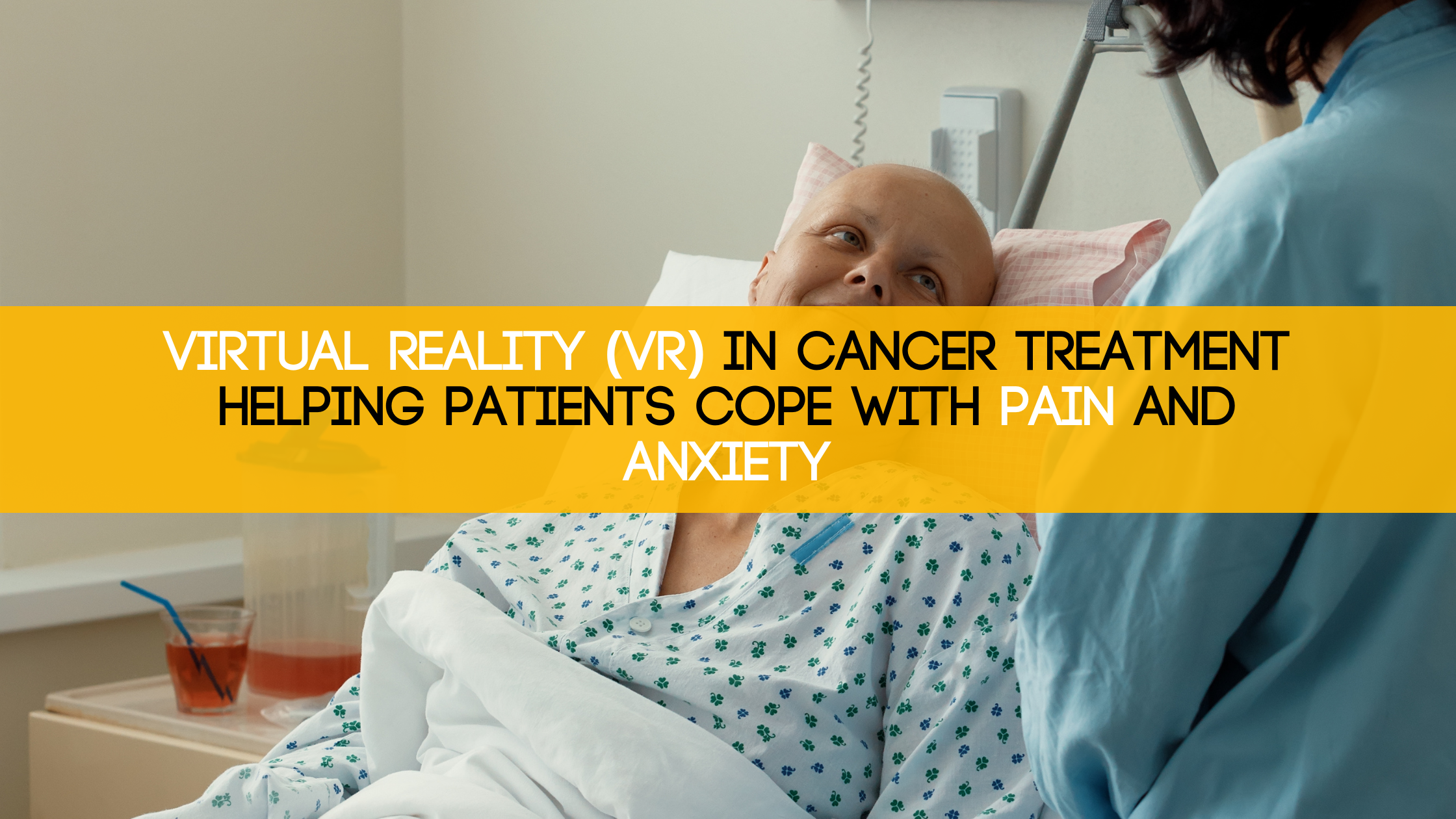
Cancer treatment is not just physically challenging—it also takes a toll on a patient’s mental and emotional health. For many patients, pain, anxiety, and stress are daily struggles. Now, an unexpected tool is offering relief: Virtual Reality (VR).
What Is Virtual Reality in Healthcare?
Virtual Reality (VR) is a computer-generated environment that users can interact with using a headset. It creates a fully immersive experience—like walking through a forest or floating in space—that can distract the brain from pain and fear.
In cancer care, VR is being used to help patients relax during chemotherapy, reduce anxiety before procedures, and manage chronic pain without medication.
How VR Helps Cancer Patients
-
Pain Reduction:
VR works by diverting the brain’s attention away from pain. When patients are deeply engaged in a VR environment, their focus shifts, which helps lower pain perception. -
Lowering Anxiety:
Cancer patients often feel anxious before or during treatment. VR programs with calming visuals and guided meditations can significantly reduce anxiety and stress levels. -
Improving Emotional Well-being:
Some VR experiences are designed for emotional support, allowing patients to connect with loved ones virtually or engage in soothing activities like virtual painting, travel, or music therapy. -
Distraction During Procedures:
For children and adults alike, VR helps take the fear out of medical settings. During procedures like chemotherapy or blood draws, VR can distract and calm patients, making the experience less traumatic.
Real-World Success Stories
Hospitals and cancer centers around the world are beginning to integrate VR into their care programs. Patients who used VR during treatments reported feeling less pain, more relaxed, and even looked forward to their next session because of the mental escape it provided.
Some research has shown that VR sessions as short as 20 minutes can make a noticeable difference in a patient’s mood and comfort level.
The Future of VR in Cancer Care
As technology becomes more affordable, we can expect wider use of VR in hospitals, clinics, and even at home. Future applications might include:
-
Guided therapy sessions
-
Pain management programs
-
Virtual support groups
Virtual Reality is proving to be much more than just entertainment. For cancer patients, it offers a powerful, non-drug-based way to reduce pain and anxiety—improving both the treatment experience and quality of life. As research and access continue to grow, VR could become a standard part of supportive cancer care.