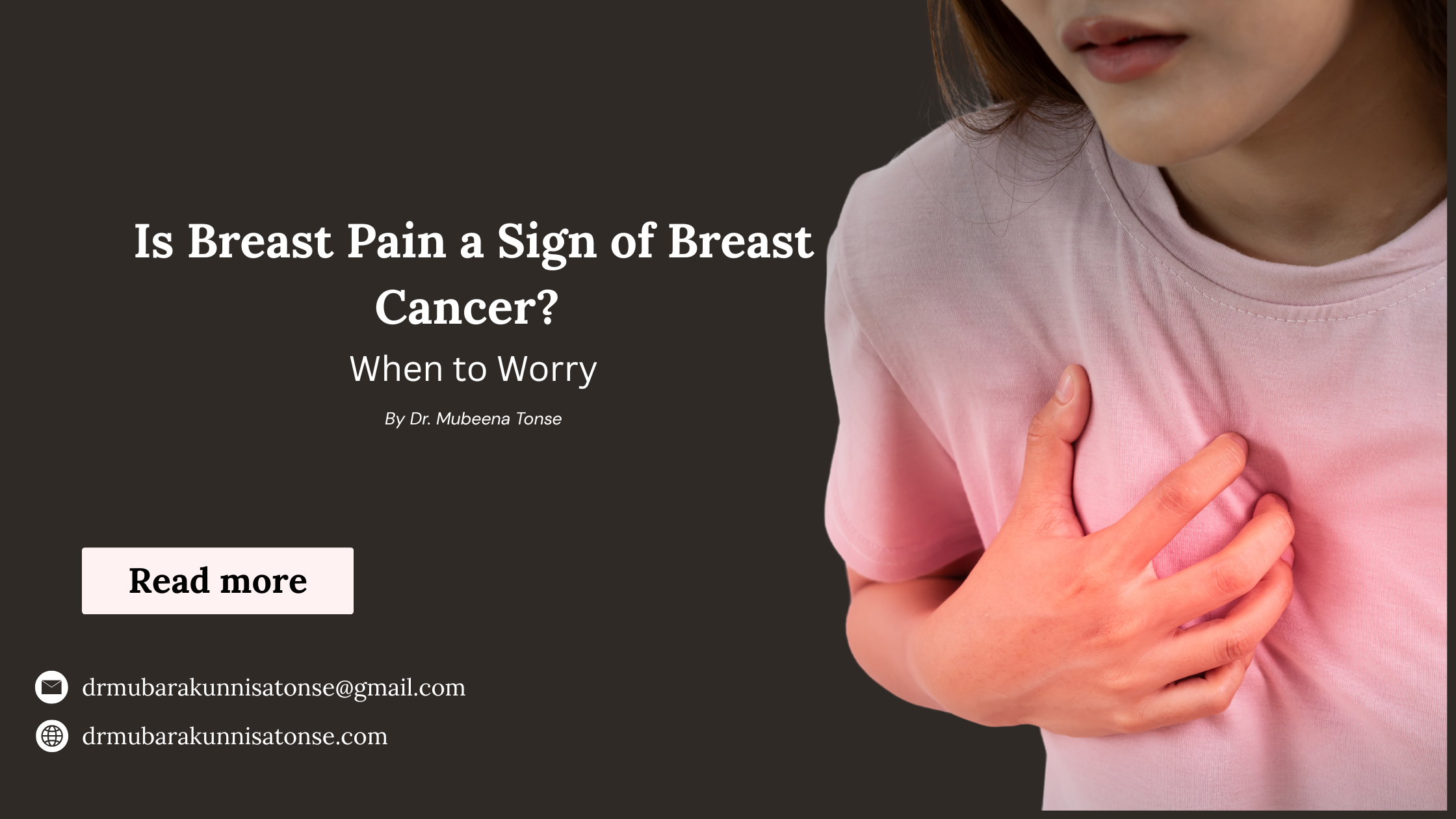
Breast and cervical cancers are two of the most common cancers affecting women worldwide. Early detection can significantly improve survival rates. Yet, many women remain unaware of the early signs their bodies may show. In this article, we’ll highlight the key symptoms to look out for and the importance of regular screening.
1. Why Early Detection Is Crucial
Early-stage breast and cervical cancers often show minimal or no symptoms, making routine check-ups essential. When caught early, these cancers are highly treatable and manageable. Screening tools like mammograms and Pap smears can detect precancerous changes before they become life-threatening.
2. Early Signs of Breast Cancer
Women should regularly perform self-breast exams and be aware of any unusual changes. Key warning signs include:
-
A lump or thickening in the breast or underarm
-
Change in size, shape, or appearance of the breast
-
Nipple discharge (especially if bloody)
-
Skin dimpling or redness
-
Inverted nipple or persistent pain
If you notice any of these symptoms, consult a doctor immediately.
3. Early Signs of Cervical Cancer
Cervical cancer develops slowly and may not show signs until it advances. However, early warning symptoms can include:
-
Unusual vaginal bleeding (between periods, after sex, or post-menopause)
-
Persistent pelvic pain
-
Pain during intercourse
-
Unusual vaginal discharge
These symptoms don’t always mean cancer, but they should never be ignored.
4. Importance of Routine Screenings
Women should begin Pap smear screenings by age 21 and continue every 3 years if results are normal. HPV testing may also be recommended. Mammograms typically start at age 40, but your doctor may suggest earlier screening based on personal risk factors such as family history.
5. Taking Charge of Your Health
Knowledge and prevention go hand in hand. Eat a balanced diet, stay physically active, avoid smoking, and get vaccinated against HPV. Most importantly, schedule regular gynecological check-ups and cancer screenings—even if you feel perfectly healthy.
Being proactive about your health can save your life. Share this information with other women in your life and encourage them to prioritize screenings.